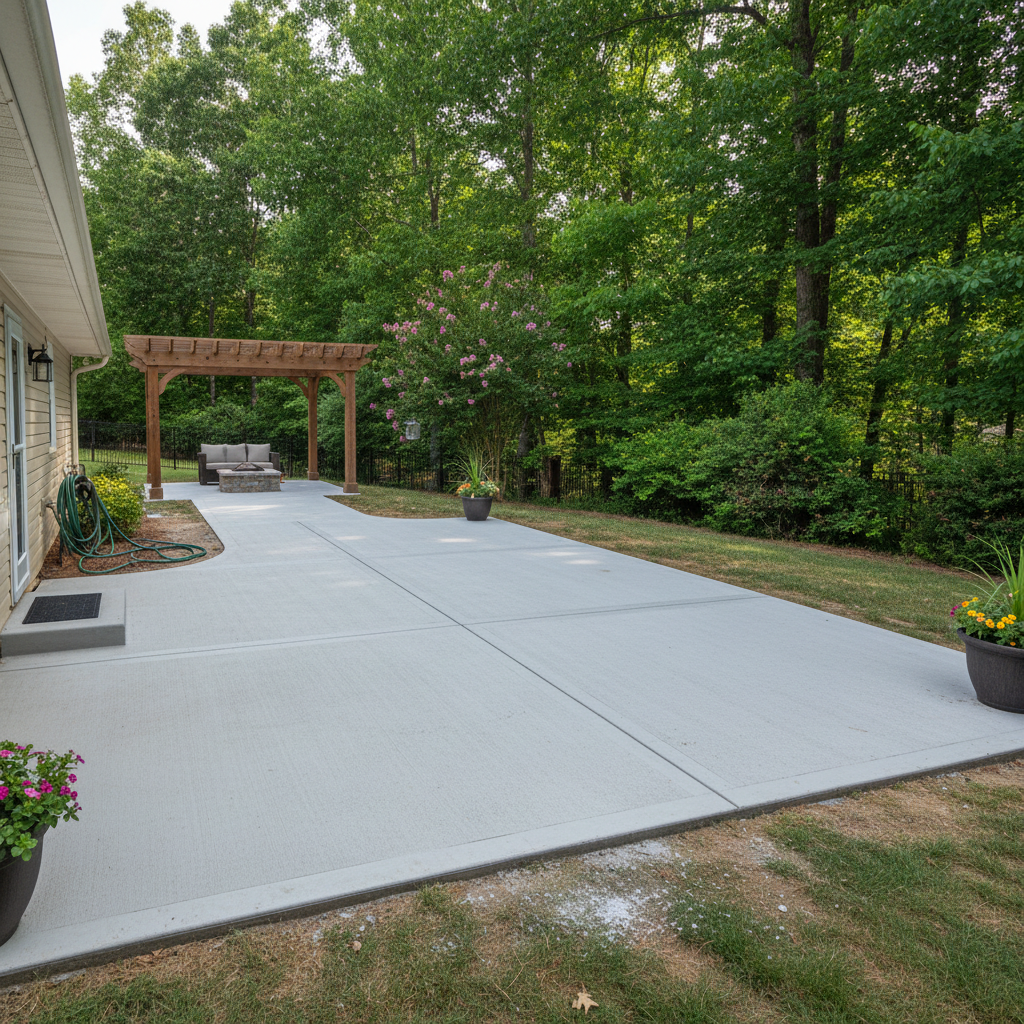
When's the best time to pour concrete around here? That's a question I get asked all the time, and for good reason. Our North Alabama weather isn't exactly friendly to fresh concrete, or even old concrete for that matter. You really have to plan things out if you want your concrete to last. I've seen too many folks rush into a project, only to have problems pop up later because they didn't think about the weather. So, let's talk about what you need to know.
The Best Time to Pour: Spring & Fall
Honestly, spring and fall are your absolute best bets for concrete work in Decatur. Just think about it: moderate temperatures, usually less of that sticky humidity, and a pretty good chance of steady conditions. You want the air temperature to sit between 40°F and 90°F for the concrete to cure right. Anything outside that range, and you're just asking for trouble.
- Spring (March-May): This is prime time. The ground's thawed out, days are getting longer, and we generally get a nice stretch of mild weather. You still need to watch out for those late-season cold snaps, but overall, it's ideal.
- Fall (September-November): Another excellent choice. The brutal summer heat has finally backed off, and the ground's still warm enough for good curing. Just keep an eye on those overnight lows as winter creeps closer.
These seasons give the concrete its best shot at curing slowly and evenly, which is super important for how strong and durable it ends up. If you rush the cure—either by letting it dry too fast or freeze too soon—you're compromising the whole slab, simple as that.
Summer Concrete: Be Careful
Can you pour concrete in the summer? Yeah, you can. But it's harder, and it demands a lot more attention. Those 95-degree days with 90% humidity we often get? That's a perfect recipe for quick evaporation and potential cracking if you're not on your toes. When it's hot, the water in the concrete disappears too fast, leading to what we call 'plastic shrinkage cracks.' We can help prevent this with special additives and by working quickly, but it's always more of a challenge.
If you're really set on a summer pour, we'll usually schedule it for early morning. Getting the concrete down before the sun really starts beating on it helps a ton. And you absolutely have to be diligent with curing, meaning you keep that slab wet for the first few days. It's extra work, but it's non-negotiable.
Winter Concrete: Too Risky
I generally tell people to avoid pouring concrete in the dead of winter here in Decatur, especially if temperatures are consistently dropping below freezing. Concrete needs warmth to get strong. When water freezes, it expands, and that can really mess up fresh concrete, causing it to lose strength and flake apart. You might see what looks like a good pour initially, but come spring, you'll likely have surface damage.
If a winter pour is absolutely, positively unavoidable, we're talking about heated blankets, special accelerators, and a whole bunch of extra precautions. It adds significant cost and complexity, and honestly, the results are rarely as good as a well-timed spring or fall pour. For most homeowners, it's just not worth the gamble.
The Local Angle: Our Clay Soil
One thing that's pretty specific to our area, especially in places like the historic district with its older homes, is the clay soil. It expands and contracts a lot when moisture levels change. This 'expansive soil' can put a ton of stress on concrete slabs over time. That's why proper sub-base preparation and reinforcement are even more critical here than in areas with more stable soil. It's not just about the weather above ground; what's happening underneath matters just as much, maybe more.
Protecting Your Investment Year-Round
Once your concrete is down and cured, your job isn't quite finished. Here's how to keep it looking good and lasting for years:
- Seal It: I really can't say this enough. A good quality sealer protects against moisture, stains, and even UV damage. Think of it like sunscreen for your concrete. Reapply it every few years, depending on how much traffic it gets and how exposed it is.
- Clean It: Don't let dirt, leaves, and other junk sit on your concrete for long periods. They can trap moisture and cause staining or even mildew. A quick sweep and an occasional pressure wash (use a low setting, please don't blast it!) goes a long way.
- Watch for Cracks: Small hairline cracks are pretty normal; concrete does shrink as it dries. But if you start seeing larger, expanding cracks, or spots where the concrete is heaving or sinking, give us a call. Elite Concrete Solutions can check things out and suggest repairs before they turn into huge headaches.
- Drainage: Make sure water flows away from your concrete, not towards it. Bad drainage is a killer for driveways and patios, especially with our clay soil.
Getting your concrete project done right means thinking ahead about the weather. It's not just about finishing the job; it's about making sure it's done so it actually lasts. If you've got questions about timing your next project, give us a call at Elite Concrete Solutions. We're always happy to talk through the best plan for your home.