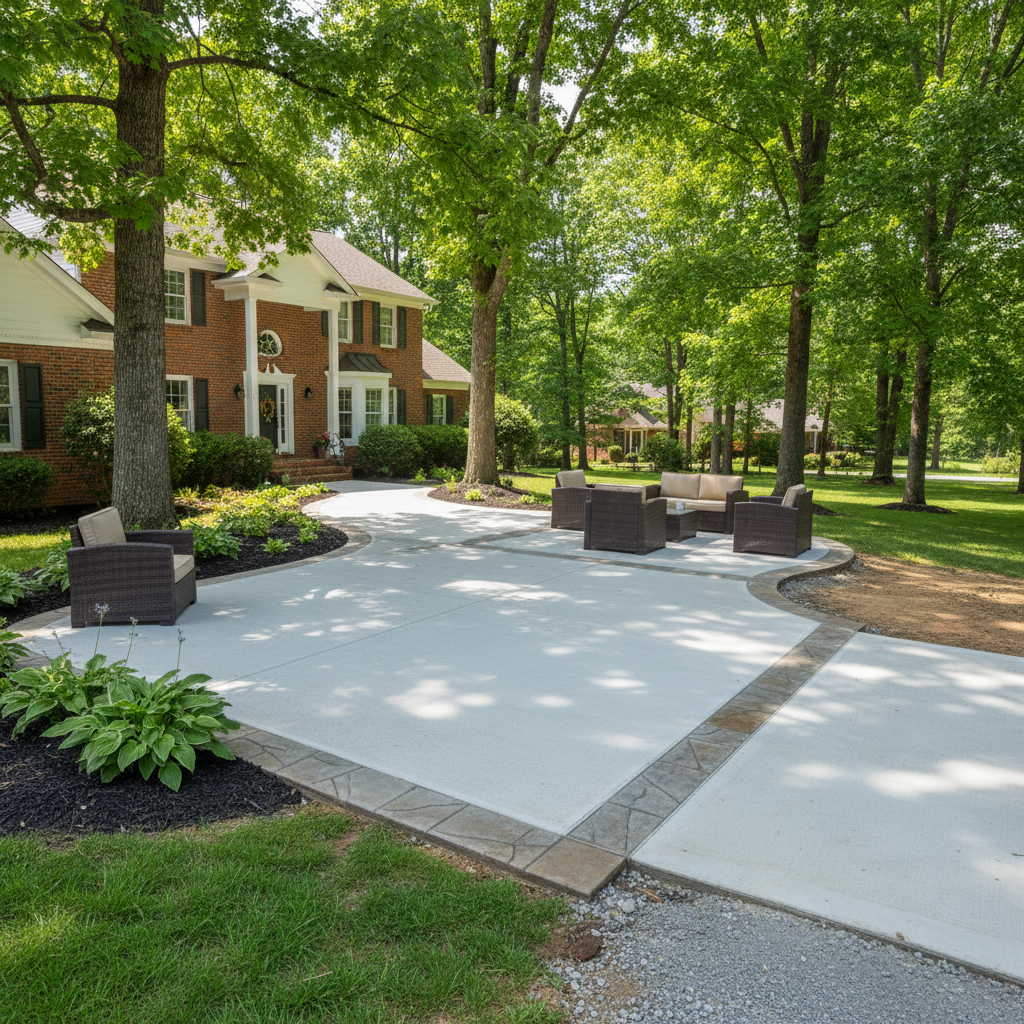
Thinking about a new driveway, patio, or maybe some fresh sidewalks around your place? That's a great idea. But before you jump in, let's talk about timing. Here in Decatur, Alabama, *when* you pour concrete is almost as important as *how* you pour it. I've seen too many folks rush into a project at the wrong time of year, and honestly, it just doesn't end well. You want your concrete to last, right? So do I.
When's the Best Time to Pour Concrete in Decatur?
Honestly, spring and fall are your best friends for concrete work around here. Why? It all comes down to temperature and moisture. Concrete cures best when it's not too hot and not too cold. Think Goldilocks – it needs to be just right.
In spring, usually from March to May, you get those nice mild temperatures, often between 50 and 70 degrees Fahrenheit. The ground isn't frozen solid, and you're not battling the oppressive summer heat yet. There's usually enough natural moisture in the air to help with the curing process, but not so much that it's a constant downpour. This is prime time for us. The concrete sets up nicely, and it has plenty of time to gain strength before the real extremes hit.
Fall, say September through November, is another sweet spot. Similar temperatures, less humidity than summer, and usually a bit drier than spring. You avoid the summer storms and the winter freezes. It's a great window to get your project done right.
What About Summer and Winter?
Can we pour concrete in summer? Sure, we can. But it's a lot trickier, and it demands more care. Those scorching Decatur summers, where it's 90 degrees by 10 AM and the humidity is through the roof, mean the concrete can dry out way too fast. When concrete dries too quickly, it doesn't cure properly. That leaves you with a weaker slab that's more prone to cracking. We have to take extra precautions like adding retarders to the mix, using curing compounds, and keeping it constantly wet. It's more labor-intensive and, frankly, a bit more of a gamble on the long-term strength.
Winter? That's a definite no-go for most outdoor concrete work, unless it's an absolute emergency. When the temperature drops below freezing, water in the concrete mixture can freeze before it's had a chance to properly hydrate with the cement. This causes expansion, which can destroy the concrete's internal structure, leading to spalling, scaling, and a whole host of problems. Even if it's just above freezing during the day, if it dips below at night, you're asking for trouble. We're talking about the kind of damage that'll have you calling Elite Concrete Solutions back for repairs way sooner than you should.
Weather Conditions That Affect the Work
Beyond just temperature, there are a few other weather factors we're always keeping an eye on:
- Rain: A light drizzle isn't usually a deal-breaker, especially if the concrete has had a few hours to set. But heavy rain? That'll wash out the cement paste, weaken the surface, and ruin the finish. We're constantly checking the forecast, and if there's a good chance of heavy rain, we'll reschedule. It's just not worth risking your investment.
- Wind: Believe it or not, high winds can be a problem. They can accelerate the drying process, especially on large, exposed surfaces like a driveway. This rapid drying can lead to surface cracking, even on a mild day.
- Humidity: Low humidity, combined with wind or high temperatures, can also speed up drying. High humidity, on the other hand, can slow down drying and setting. That's not always a bad thing, but it's definitely something we have to account for.
Protecting Your Investment Year-Round
Once your concrete is in, the work isn't entirely done. You've got to protect it. Here's how:
- Curing is Key: For the first week or so, keep that concrete moist. We'll apply a curing compound, but sometimes you might need to lightly mist it with water, especially in drier conditions. This helps it reach its full strength.
- Seal It Up: After the concrete has fully cured (usually 28 days), I always recommend applying a good quality sealer. This is especially important in areas like Decatur where we get those freeze-thaw cycles in winter. A sealer protects against moisture penetration, chemical spills, and general wear and tear. It's like sunscreen for your concrete, you know?
- Clean Regularly: Don't let oil, grease, or other chemicals sit on your concrete. Clean spills quickly. A simple pressure wash once a year can do wonders for keeping it looking good.
- Mind the Weight: Don't park heavy equipment or overloaded vehicles on new concrete, especially for the first month. Give it time to develop its full strength.
- Watch for Cracks: Small hairline cracks are pretty normal with concrete, but if you see larger, expanding cracks, or areas where the surface is flaking off, give us a call. Sometimes it's just cosmetic, sometimes it's a sign of a bigger issue that needs addressing.
Look, your concrete is a big investment. You want it to look good and last for decades. By understanding how Decatur's climate impacts the process and taking a few simple steps to protect it, you'll get the most out of your new concrete. If you're ready to talk about your next project, give us a shout at Elite Concrete Solutions. We're here to help you do it right.